As your trusted insurance broker, I'm here to help you navigate the evolving world of employee benefits in 2026. The landscape has shifted dramatically, and small businesses like yours now have access to sophisticated benefit strategies that were once reserved for large corporations. Let me walk you through everything you need to know to build a competitive benefits package that attracts top talent while keeping your budget in check.
The Stakes Have Never Been Higher
Your employees' expectations have fundamentally changed. They're no longer satisfied with basic health insurance and a retirement plan. Today's workforce demands comprehensive benefits that support their entire lifestyle – from mental health resources to remote work stipends. The good news? You don't need Fortune 500 resources to compete.
Setting Your Benefits Budget: The 30% Rule
Let's start with the foundation – your budget. Benefits typically cost approximately 30% of total compensation, though this varies by industry and company size. For a $50,000 salary, you're looking at roughly $15,000 in annual benefits costs per employee.
Here's the financial advantage you need to understand: your contributions to employee health benefits are tax-deductible for your business and tax-free for your employees. This creates immediate savings for everyone involved.

Pre-tax accounts like Flexible Spending Accounts (FSAs) and Health Savings Accounts (HSAs) reduce both your payroll taxes and your employees' income taxes. It's a win-win scenario that makes every benefits dollar stretch further.
Core Benefits: Your Foundation for Success
Required Benefits These are non-negotiable and form the baseline of your program:
- Health insurance coverage
- Workers' compensation
- Disability insurance
- Unemployment insurance
- Paid time off (where required by state law)
Essential Competitive Benefits These optional benefits separate you from competitors:
- Retirement savings plans with employer matching
- Dental and vision coverage
- Life insurance
- Flexible work arrangements
- Professional development opportunities
The SECURE Act 2.0 now offers federal tax credits up to $5,000 annually for up to three years when you establish a retirement plan. This dramatically reduces the cost of adding this crucial benefit.
The Game-Changer: Individual Coverage Health Reimbursement Arrangements (ICHRA)
ICHRA represents a revolutionary approach for small businesses. Instead of choosing a one-size-fits-all group health plan, you provide employees with a monthly allowance to purchase individual coverage that meets their specific needs.
Key ICHRA Advantages:
- No minimum participation requirements
- Predictable monthly costs – you set the allowance amount
- Employee choice – they select plans that work for their families
- Different allowances for different employee classes (full-time vs. part-time)
- 100% tax-deductible for your business
As always, I'm here to help you evaluate whether ICHRA makes sense for your specific situation.
Your 9-Step Benefits Design Framework
Let me guide you through a systematic approach to building your program:
Step 1: Define Your Objectives and Budget Determine what you want to achieve – retention, recruitment, or both. Establish your maximum monthly cost per employee.
Step 2: Conduct Employee Needs Assessment Survey your team about their priorities. A 25-year-old single employee has different needs than a 45-year-old parent of three.
Step 3: Gather Detailed Employee Input Hold focus groups or one-on-one conversations. Understanding what your specific workforce values prevents costly mistakes.

Step 4: Design Your Core Package Start with health insurance and retirement savings. These form the foundation that every employee expects.
Step 5: Add Personalized Benefits Consider wellness stipends, meal allowances, or tuition assistance. These show immediate, tangible value.
Step 6: Build in Flexibility Offer tiered options (basic, standard, premium) or cafeteria-style plans where employees allocate their benefits across different categories.
Step 7: Develop Clear Communication Create simple guides explaining each benefit. Confusion leads to low utilization and employee dissatisfaction.
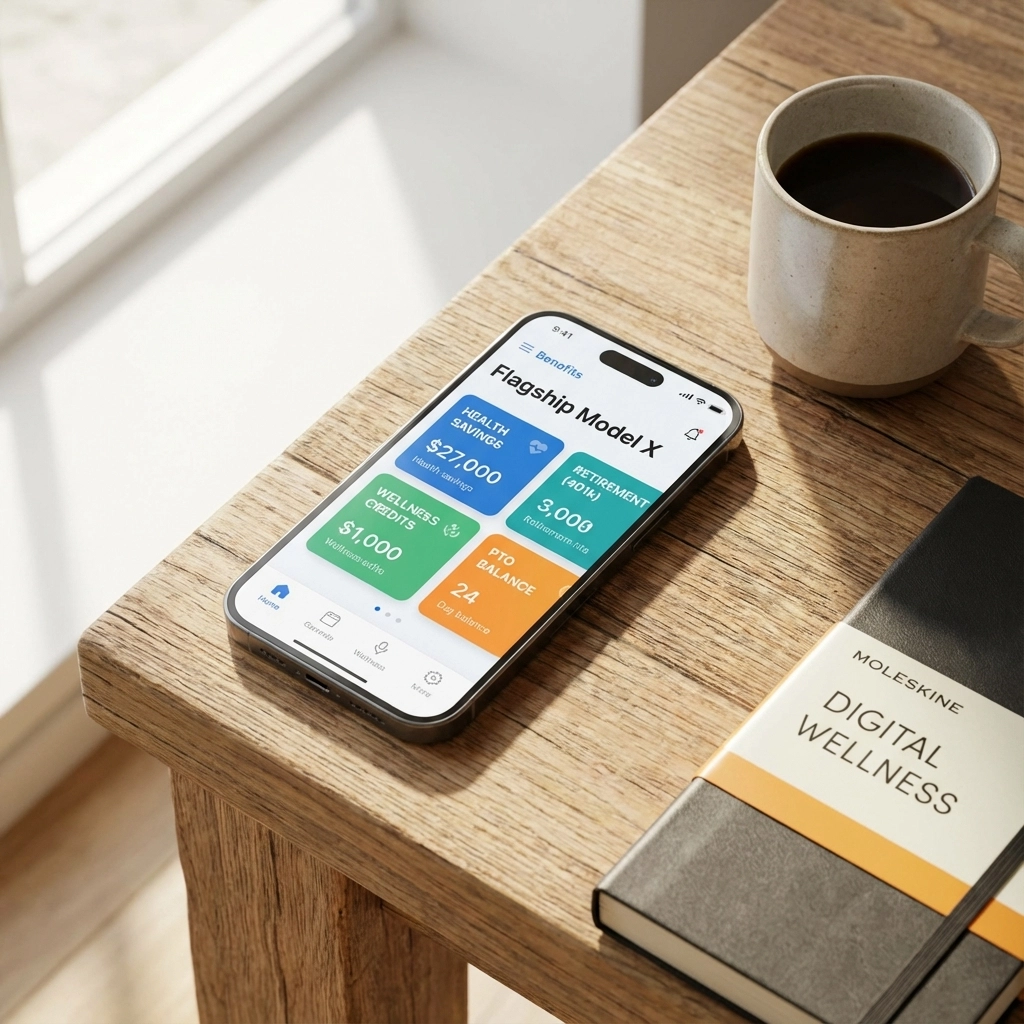
Step 8: Implement Supporting Technology Use digital platforms for enrollment and administration. This reduces your administrative burden significantly.
Step 9: Monitor and Continuously Improve Track utilization rates and gather ongoing feedback. Benefits programs should evolve with your workforce.
2026 Trends Reshaping Small Business Benefits
AI-Powered Personalization Artificial intelligence now allows small businesses to provide automated enrollment, personalized benefit recommendations, and streamlined administration. 72% of small businesses view AI positively for improving operational efficiency. These tools level the playing field between you and larger competitors.
Remote Work Support Revolution Monthly allowances for internet bills, cell phone costs, or coworking memberships are becoming standard. One-time home office setup funds help distributed workers feel equally supported as office-based colleagues.
Financial Wellness Expansion Your employees are struggling with financial stress, which directly impacts their productivity. Offering financial literacy tools, budgeting resources, and robust retirement contributions addresses this challenge while building loyalty.
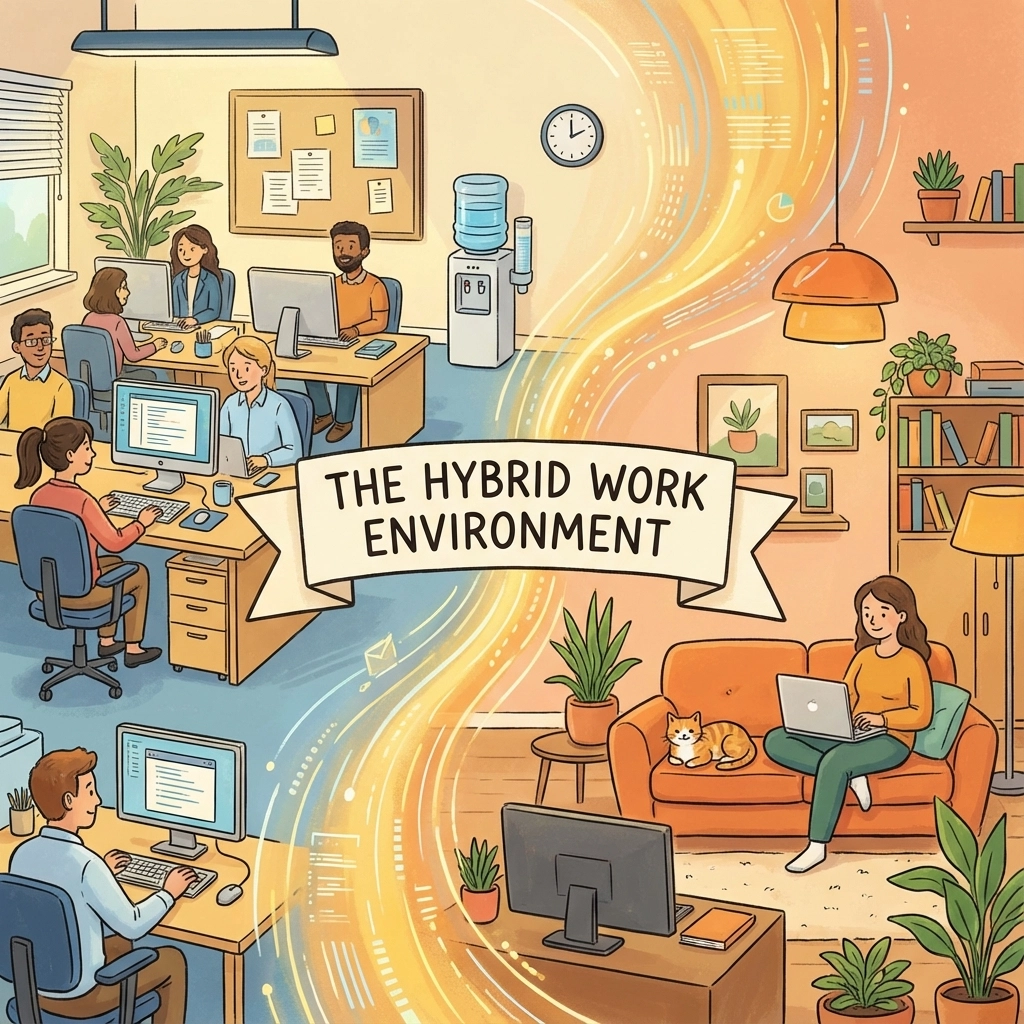
Employee Engagement as Retention Strategy Benefits that reflect how your employees actually live and work – flexible schedules, manager-supported recognition programs, upskilling opportunities – create stronger emotional connections to your company.
Flexible Benefit Strategies That Work
Tiered Options Offer three coverage levels: Basic (essential coverage), Standard (moderate enhancements), and Premium (comprehensive coverage). This prevents overwhelming employees while accommodating different needs and budgets.
Cafeteria-Style Plans Set a total benefit allowance and let employees distribute funds between health coverage, retirement contributions, paid time off, and lifestyle benefits. One employee might minimize health coverage while maximizing retirement savings; another might prioritize family benefits.
Quick-Win Implementation Launch simple benefits first – wellness stipends, meal allowances, tuition support – to demonstrate immediate value. Build momentum before rolling out complex programs.
Making It Work: Practical Implementation
Start Small and Scale Begin with core health insurance and one meaningful perk. Add benefits quarterly based on employee feedback and budget availability.
Leverage Technology Modern benefits administration platforms handle enrollment, compliance tracking, and employee communications automatically. This frees you to focus on strategy rather than paperwork.
Communicate Value Clearly Create a "Total Compensation Statement" showing each employee their complete package value – salary plus all benefits. Many employees underestimate the true value of their benefits.
Plan for Open Enrollment Dedicate time for individual employee meetings during enrollment periods. Personal guidance increases satisfaction and utilization rates.
Measuring Success
Track these key metrics to ensure your program delivers results:
- Employee retention rates – benefits should reduce turnover
- Benefit utilization percentages – low usage indicates poor communication or irrelevant offerings
- Employee satisfaction scores – survey your team quarterly
- Recruitment success – measure how benefits impact candidate acceptance rates
Your Next Steps
The benefits landscape in 2026 offers unprecedented opportunities for small businesses. You can now provide sophisticated, personalized benefit packages that compete with any large employer – if you approach it strategically.
I recommend starting with a comprehensive needs assessment of your current workforce, then building your program systematically using the framework I've outlined. Remember, the most expensive benefits program is one that doesn't achieve your retention and recruitment goals.
As always, I'm here to help you navigate these decisions and design a program that works specifically for your business and your employees. The investment you make in your people today will pay dividends in loyalty, productivity, and long-term success.
Ready to get started? Let's schedule a consultation to discuss your specific needs and build a benefits strategy that positions your business for success in 2026 and beyond.