As your trusted benefits advisor, I’m seeing a major shift in how successful companies approach employee benefits. The days of offering the same cookie-cutter package to every employee are over. Today’s smart employers understand that not every team is the same, and one-size-fits-all benefits simply won’t cut it for attracting and keeping top talent, especially in smaller, founder-led companies without big HR teams.
If you’re still offering the same basic package to your 25-year-old single employee and your 45-year-old parent of three, you’re missing a huge opportunity to show your team how much you value them as individuals.
The Problem with Traditional Benefits Approaches
Let’s be honest, traditional benefits packages were designed for convenience, not effectiveness. They made it easy for HR departments to manage, but they didn’t necessarily make employees feel valued or supported. When you offer identical coverage to everyone, you’re essentially telling your diverse workforce that you see them all the same way.
This approach is particularly challenging for smaller businesses. You might think you can’t compete with larger companies’ benefits budgets, but that’s where you’re wrong. It’s not about having the biggest budget, it’s about being strategic and truly listening to what your team actually needs and wants.

The reality is that your remote worker who travels frequently has different needs than your employee with young children. Your team member managing aging parents needs different support than someone just starting their career. When you acknowledge these differences and respond accordingly, you’re not just offering benefits, you’re building loyalty.
Why Personalization Creates Powerful Results
Employees who receive benefits tailored to what matters most to them feel more valued, engaged, and are significantly less likely to leave. This isn’t just feel-good thinking, it’s backed by solid business outcomes.
When someone can choose benefits that actually fit their life situation, they perceive greater value in their total compensation package. A young employee might prioritize wellness programs and professional development stipends, while someone with a family might focus on comprehensive health coverage and childcare support. Both employees are getting equal value, but it’s value that actually means something to them personally.
The retention impact is real. Companies offering personalized benefits packages experience higher employee loyalty because people don’t want to leave a company that truly “gets” them. This means you’re saving significantly on recruitment, onboarding, and training costs that come with high turnover.
What Flexible Packages Actually Include
When we talk about flexible and personalized benefits packages, we’re not just referring to choosing between health insurance plans. Today’s smart employers are thinking much broader:
Health and Wellness Options: Yes, this includes your traditional medical, dental, and vision coverage, but with choices that let employees select the level of coverage that makes sense for their situation and budget.
Work-Life Balance Perks: Remote work stipends, home office allowances, flexible PTO policies, and hybrid work support. These benefits cost you relatively little but mean everything to employees trying to balance their professional and personal lives.
 Professional Development:
 Tuition reimbursement, conference attendance, certification programs, or online learning subscriptions. Different employees are motivated by different growth opportunities.
Financial Wellness: Retirement planning support, financial counseling services, or even student loan repayment assistance programs.
Family Support: This might include childcare assistance, elder care support, adoption benefits, or parental leave that goes beyond the legal minimum.
Mental Health and Wellness: Access to counseling services, wellness apps, gym memberships, or mental health days.
The key is offering choices within categories that matter to your specific workforce. You don’t need to offer everything to everyone: you need to offer the right things with enough flexibility that each employee can create a package that works for their life.
It’s About Listening, Not Spending More
Here’s something many business owners get wrong: they think flexible benefits require a bigger budget. That’s not necessarily true. Smart benefit design is about allocation, not just addition.
The most successful flexible benefits programs start with actually asking employees what they value most. Survey your team. Have one-on-one conversations. Pay attention to what people are struggling with outside of work, because those struggles affect their performance and satisfaction at work.
Maybe your team would prefer higher healthcare contributions over expensive holiday parties. Perhaps they’d trade some traditional perks for remote work stipends or professional development opportunities. You won’t know until you ask, and you can’t create an effective flexible program without this foundational step.
 The financial approach is straightforward:
 Set your per-employee benefits budget and let them allocate it across options that matter to them. Someone might use their full allocation on premium health insurance, while another employee might choose basic coverage and use the remaining budget for professional development and wellness programs.
This defined contribution approach gives you budget predictability while giving your employees the autonomy to make choices that fit their lives. It’s a win-win that doesn’t require you to spend more money: just spend it more thoughtfully.
Making Management Simple with the Right Partner
The biggest concern I hear from business owners about flexible benefits is complexity. “How do I manage all these different options? How do I handle the administration? What about compliance?”
These are valid concerns, but they’re not insurmountable obstacles. The key is working with a benefits partner who specializes in making flexible packages simple, stress-free, and admin-light.
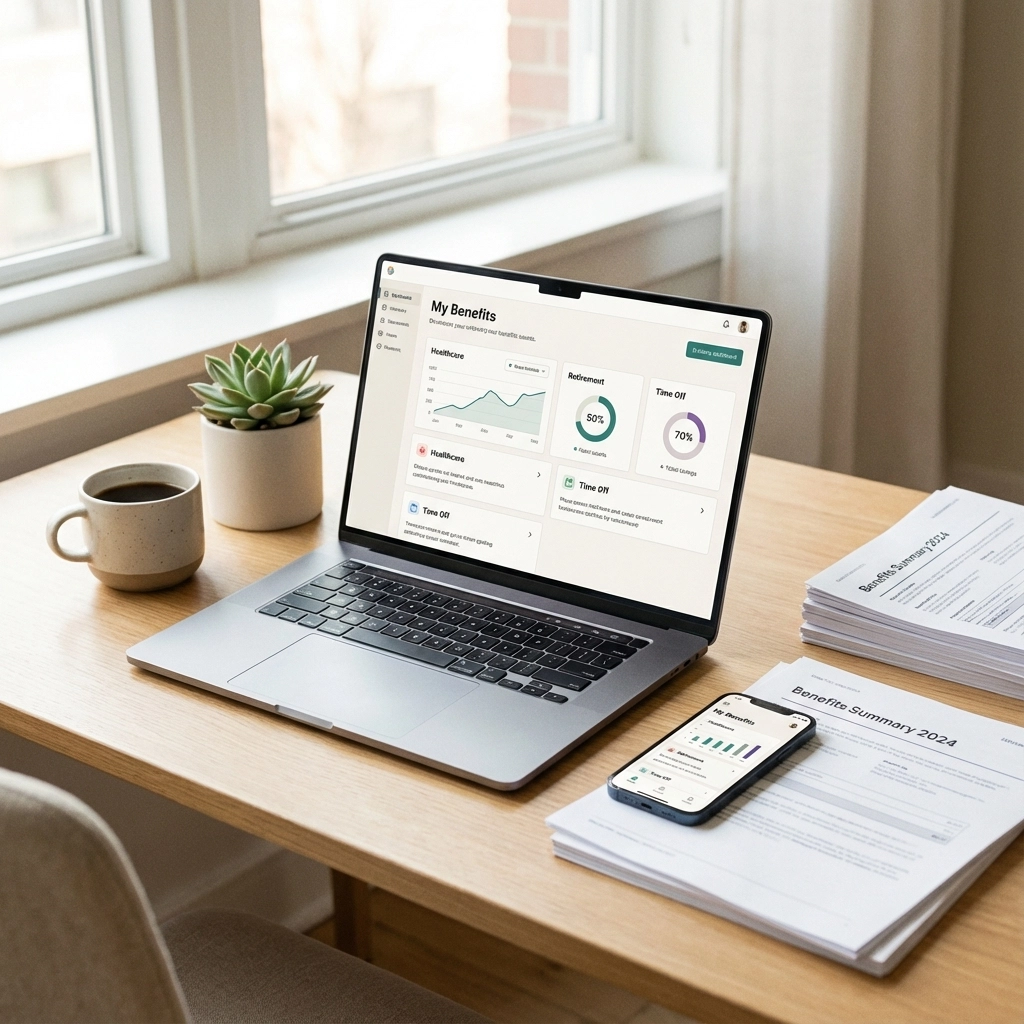
Technology plays a huge role here. Modern benefits platforms allow employees to make their selections online, compare options, and manage their benefits throughout the year. As the employer, you get clear reporting and simplified administration.
Expert guidance matters. When you work with an experienced benefits advisor, you’re not figuring this out alone. We help you design options that make sense for your workforce and budget, ensure compliance with all regulations, and handle the ongoing management so you can focus on running your business.
At Seiden Benefits, we’ve helped numerous small and medium-sized businesses transition from one-size-fits-all packages to flexible options that both employers and employees love. The process doesn’t have to be overwhelming when you have the right support.
The Competitive Advantage You Can’t Ignore
In today’s tight labor market, flexible benefits serve as a powerful differentiator when you’re trying to attract top talent. Candidates are increasingly prioritizing personalized benefits that adapt to life changes and align with their values.
When someone is comparing job offers, the company that offers thoughtful, flexible benefits that show they’ve considered different life situations and priorities will stand out. This is especially true for smaller companies competing against larger organizations with bigger budgets.
Your flexible benefits program becomes part of your employer brand story. It demonstrates that you see employees as individuals, that you’re forward-thinking and adaptable, and that you care about their complete well-being, not just their productivity during working hours.
Getting Started with Flexible Benefits
The transition to flexible, personalized benefits doesn’t have to happen overnight. Start by surveying your current team to understand what they value most. Look at your current benefits spending and identify areas where you could offer choices instead of one standard option.
Consider which benefits would be relatively easy to make flexible first. Maybe it’s adding wellness stipends or professional development allowances. Perhaps it’s offering different levels of health insurance coverage or adding remote work support.
The important thing is to start somewhere and build from there. Your employees will appreciate being asked for their input, and you’ll gather valuable data about what matters most to your specific workforce.
Ready to Make the Switch?
Smart employers are embracing flexible, personalized benefits packages because they work: for employees, for retention, and for business success. They show your team that you see them as individuals with different needs and priorities, and they help you compete for talent without necessarily increasing your benefits budget.
The key is having the right partner to make the transition smooth and the ongoing management simple. At Seiden Benefits, we specialize in helping businesses like yours design and implement flexible benefits programs that work for everyone involved.
Ready to explore how flexible benefits could work for your team? Let’s start the conversation. Send me a DM or email us at
info@seidenbenefits.com to discuss custom options made just for your business. Your employees: and your bottom line( will thank you.)